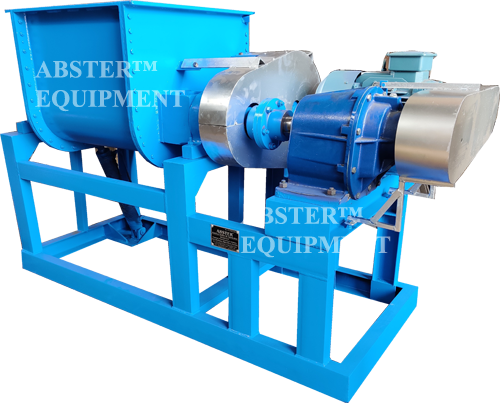
Z Blade Mixer vs. Sigma Blade Mixer — Which One Do You Need?
Table of Contents
Introduction
Blade geometry & mixing mechanics
Shear intensity and heat generation
Typical material matches
Throughput, residence time & scale
Cleaning, maintenance & wear
Energy & operational costs
Which to choose — practical guidance
Case example
Maintenance & lifecycle considerations
Conclusion
Introduction
Choosing the right industrial mixer matters: it determines product consistency, processing speed, energy use, and long-term reliability. Two of the most common choices for high-viscosity mixing are the Z blade mixer and the sigma (Σ) blade mixer. Both are proven workhorses in chemical, rubber, plastic, and adhesive industries, but they differ in blade geometry, shear profile, residence pattern, and ideal applications. This article compares them in real-world terms so you can match machine type to your process needs.
Z Blade Mixer
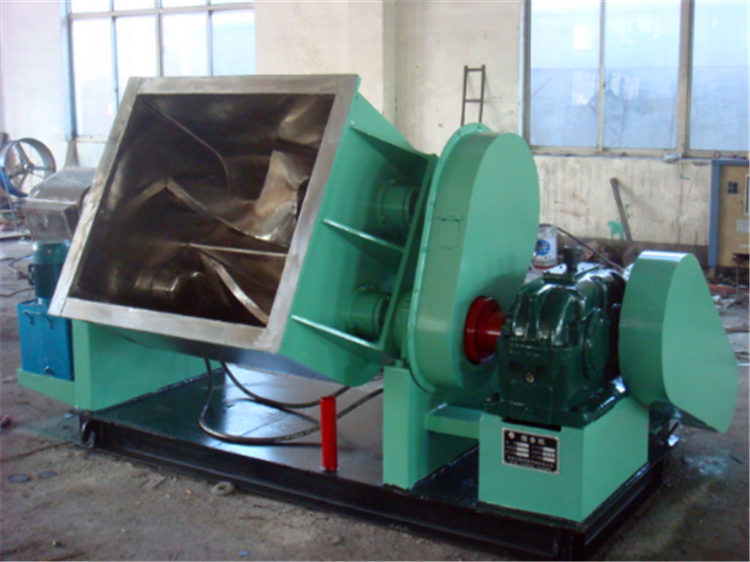
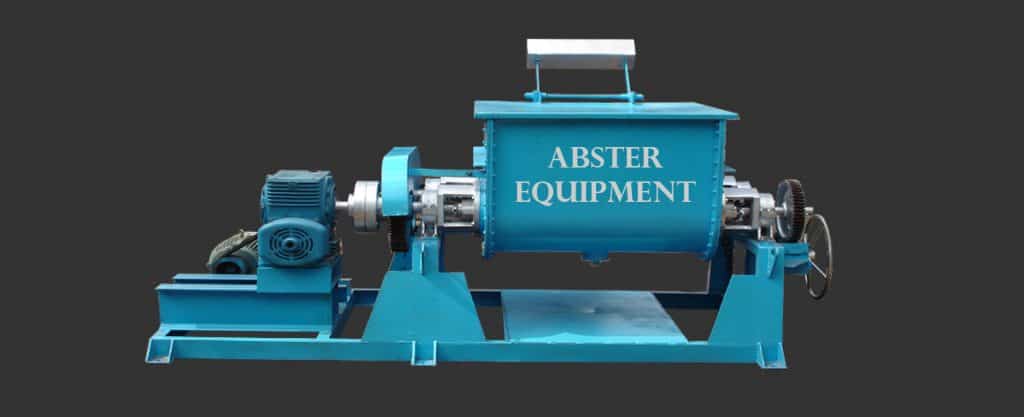
Tilting Type Kneader
Blade geometry & mixing mechanics
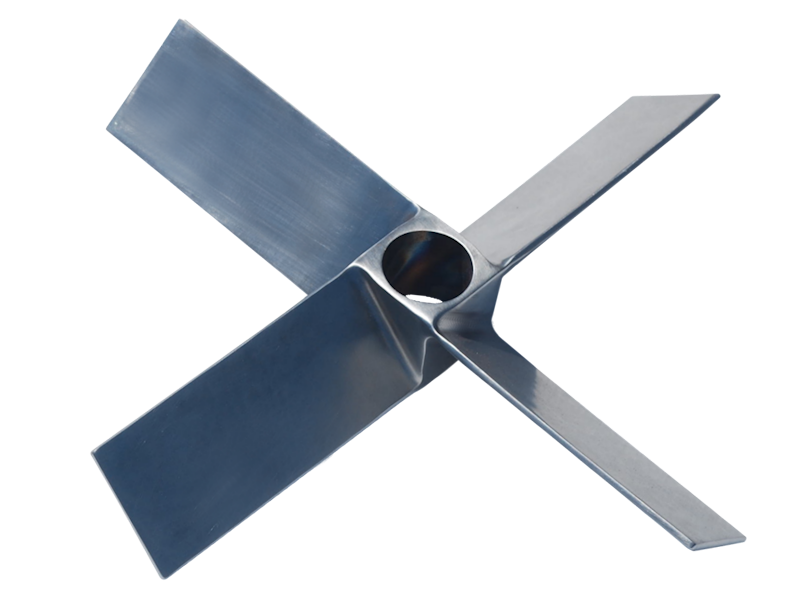
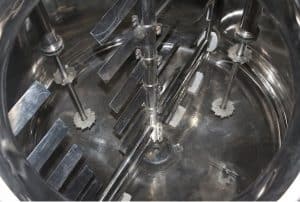
The Z blade mixer uses straight, offset “Z”-shaped arms that provide strong localized shear and intensive folding action. This geometry excels at quickly breaking agglomerates and dispersing fillers through viscous media. The sigma blade mixer features two opposing, curved Σ-shaped blades that move material in a cross-flow pattern—combining scraping, folding and compressive kneading—yielding gentle but thorough homogenization with minimal dead zones.
Shear intensity and heat generation
Z blades produce higher localized shear, which is beneficial when you need aggressive dispersion of pigments, carbon black, or conductive fillers. That higher shear typically generates more heat and may require robust cooling control. Sigma mixers produce more distributed shear with extensive surface scraping, which reduces hotspots and is often preferred where controlled temperature and gentle homogenization matter (e.g., silicone sealants, some adhesives).
Typical material matches
Sigma blade mixers are widely used for silicone sealants, RTV compounds, cellulose thickeners, BMC, and many adhesive/resin systems where uniformity and low entrained air are priorities. Z blade mixers are often chosen for plastics compounding, rubber masterbatches, high-load carbon or pigment dispersions, and formulations requiring forceful deagglomeration.
Throughput, residence time & scale
For continuous high-throughput compounding with very heavy fillers, Z blade designs can be scaled to maintain aggressive mixing without over-shearing. Sigma mixers are flexible across capacities but often shine in batch processes where residence time control and degassing under vacuum are needed. If your process requires vacuum-assisted degassing or precise temperature control, sigma machines with jacketed bodies and vacuum ports are commonly used.
Cleaning, maintenance & wear
Z blades undergoing intense shear on abrasive fillers will typically need harder wear materials or sacrificial liners in contact zones; regular inspection of blades and bearings is essential. Sigma mixers, with more scraping contact, demand accurate clearances and high-quality stainless contact surfaces to avoid material buildup. Both styles benefit from SUS304L (or higher) stainless contact parts for corrosion resistance and cleanability.
Energy & operational costs
Because Z blades concentrate shear, they may draw higher peak torque but can shorten mixing time for some formulations—reducing cycle time but increasing instantaneous power demand. Sigma mixers often run at sustained torque over longer periods; their energy profile depends heavily on batch size and heating/cooling loads.
Which to choose — practical guidance
Pick a Z Blade Mixer when your formulations contain hard-to-disperse fillers (pigments, carbon black), require strong mechanical breakdown, or you prioritize shorter intensive mixing cycles.
Pick a Sigma Blade Mixer when product homogeneity, gentle kneading, vacuum degassing, and temperature control matter more—typical for silicone sealants, medical-grade pastes, or sensitive adhesives.
If unsure, run side-by-side trials with typical production batches. Small lab-scale sigma and Z-mixers or pilot units reveal shear/temperature outcomes most reliably.
Case example
A manufacturer of conductive paste switched from a sigma to a Z blade design when scaling additive load from 10% to 30% carbon black; dispersion time dropped 40%, and final conductivity improved. Conversely, a sealant producer retained sigma kneaders because switching to Z blades caused unacceptable entrained air and color inconsistency.
Maintenance & lifecycle considerations
Consider expected abrasion, maintenance intervals, availability of spare blades, and whether you need a tilting or bottom-discharge variant for easier unloading. For abrasive mixes, upgrade contact surfaces or specify manganese/treated steels where appropriate; for sanitary or low-contamination processes, specify SUS304L or SUS316L for all wetted parts.
Conclusion
There is no universal “better” choice—only the right match for your materials and process goals. Z blades deliver forceful dispersion and speed for abrasive, heavily-filled mixes; sigma blades deliver balanced kneading with superior degassing and temperature control. For real-world guidance, kneader supports material trials and configuration recommendations to match your product targets and production scale.
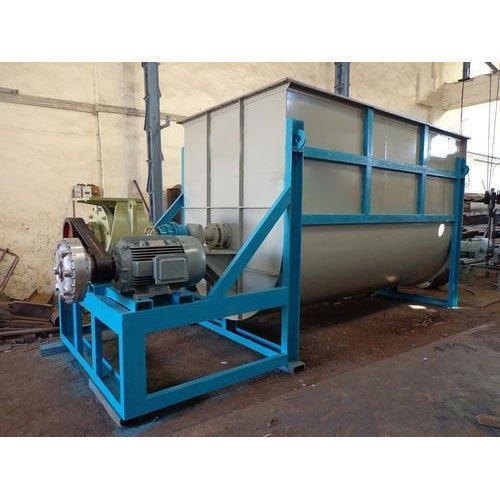
Ribbon Blender are a specific type of powder blenders that consist of 2 parts mounted on a central shaft . The mixing medium often consists of inner and outer helical ribbons that are designed to move material both inwards and outwards. The external helical ribbons pull product from the sides of the mixer into the middle and the internal ribbons push the product back to the sides. The back-and-forth folding motion of the materials to be blended creates a convective mixing pattern.
The ribbons blades are designed to have precise gap tolerances between the walls of the mixer. In some instances, they can even be designed with soft material wipers to help keep product from building up on the sides.
The drive mechanism often consists of a belt drive for the powder transmission between the motor and gear box.
This arrangement would use a system of flexible belts and pulleys to produce the desired speed and torque required for the specific mixing application.
However, more manufacturers are starting to use direct drives via gear motors that utilize a motors low inertia rotor to specifically match the gearbox unit.
The advantage of this arrangement means less maintenance over the life of the industrial mixer.
Ribbon Blender mixers are the most versatile and widely used type of powder mixing and blending machine in the market. Ribbon mixer often are most commonly used for solids on solids mixing but can also be used for applications involving coating a dry particle with a liquid ingredient, or even particle absorption of a liquid addition. Rarer applications do allow for slurry and liquid particle suspension mixes with careful design and consideration to detail.
Because of the convective mixing pattern of the ribbon blender, short and fast mixing cycles are possible often ranging from a few minutes up to 20 minutes (depending on the volume and complexity of the formula). Considering the fast-mixing cycles of these bulk solids blenders you would think the ribbons run at a very high RPM, however this is not so.
The ribbon agitators typically run no faster then 24 runs per minute speed.
This low speed creates a gentle folding action of the particles to be mixed.
Therefore, this allows use on fragile and friable materials while preserving the particle integrity.
Ribbon Blenders are used in all process industries including:
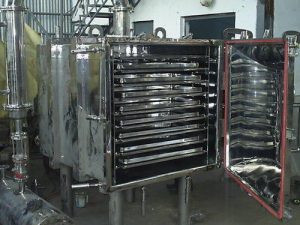
What is a Vacuum Tray Dryer and what are the key benefits
The Abster™ Equipment is a major leader in the supply of equipment in the chemical and pharmaceutical industry.
The Abster™ Equipment design and manufacture Vacuum Tray Dryers (VTD’s) which are easy to use, and consume less power than other traditional types of dryers.
Vacuum tray dryer are mainly used for the drying of high grade, temperature and oxygen sensitive products.
Vacuum tray dryer are also the most commonly used batch dryer in the pharmaceutical industry.
A VTD works under vacuum conditions using the conduction principle.
The design of these VTD’s range from laboratory to production scale and can meet sterile process requirements when necessary for the drying of highly toxic or sensitive products.
Standard and bespoke designs can be accommodated which includes where needed, circular and rectangular drying systems along with a vacuum pump system to fulfill the operational requirements.
Products are typically manufactured from stainless steel however where required, the contact and vapor parts can be finished with high corrosion resistant materials including Alloy C276 (Hastelloy).
Heating temperatures are normally in the range of 75 Deg C and 110 Deg C, and depending on the application plus surface area, drying can take up to 2 days, but is normally dry in a few hours.
On completion of the drying, the product can be cooled by the circulating of cooling water through the heating plates.
Main design features-
Modular Design with high attention to operator health, safety and access.
Rounded edges and corners throughout the design
Sturdy welded external chamber reinforcement ensures maximum operating protection and dependability under full vacuum operation
Hollow pad type baffled heating shelfs
All shelf to manifold connectors are located outside the dryer chamber
Validation ports and nitrogen purge nozzles
Fluid heating and circulating systems either steam or electrically heated
Vapour condensation unit along with a receiver
Vacuum pump system provided to match customer requirements.
Circular and rectangular drying systems ideal for small to moderate levels of production
cGMP construction for pharmaceutical models.
Typical applications:-
API & Bulk Drugs
Laboratories and research centers
Food industry
Main benefits
Low power consumption
Baffled shelf provide effective heat transfer
Vapour condensation unit and receiver aids solvent recovery
Rounded edge and corners provide easy and efficient cleaning
Very efficient and heat sensitive
Drying action becomes faster as heat is easily transferred throughout the body of the dryers, due to its large surface area
Dries large moisture as compared to normal dryers
The quality of the dried material is better than that of the normal dryers
Specification of Vacuum Tray dryer – VTD
No. Of Trays
3
6
12
24
36
48
96
Capacity in Kg
3-5
12-18
25-35
50-75
75-100
100-150
200-300
Tray volume in Ltrs /Capacity in Kg
5/1-1.5
10 /2-3
10/2-3
10/2-3
10/2-3
10/2-3
10/2-3
Tray size : L W H in mm
406x406x31
812x406x31
812x406x31
812x406x31
812x406x31
812x406x31
812x406x31
No. of Heating Shelf
4
7
7
9
13
17
17
Shelf size in mm
430×430
430 X835
835×835
835×1259
835×1250
835×1250
1250×1650
Distance between shelves in mm
100
100
100
100
100
100
100
Trays on each self
1
1
2
3
3
3
6
Condenser
0.2m2
0.5 m2
0.75m2
1m2
1.5m2
2m2
3m2
Receiver
10Ltrs
25 Ltrs
50 Ltrs
75 Ltrs
100 Ltrs
150 Ltrs
250 Ltrs
H.W. Distribution Pipes
1½”
1½”
1½”
1½”
1½”
1½”
2”
Door Gasket (Silicon)
16mmSQ
16mmSQ
16mmSQ
16mmSQ
16mmSQ
16mmSQ
16mmSQ
No. of Door Bolts (Φ40)
4
6
8
10
12
12
14
Design Temperature : 1500C, TESTING : The vacuum dryer shelves are
hydro-tested 5 Kg/Cm2 in Assembled condition. The vacuum chamber is tested for full vacuum.
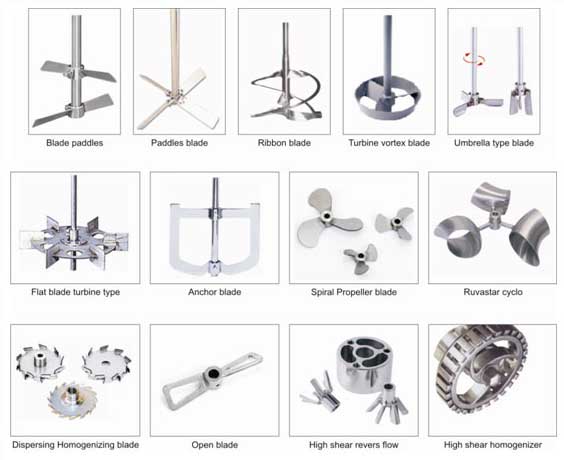
High-shear impellers High Shear Impeller are used in applications that require a high shearing action, as in grinding, dispersing pigments, and making emulsions.
High-shear impellers are operated at high speeds and are generally used for addition of the second phase.
Bar turbine impeller is in the lower end of the high-shear range of impellers.
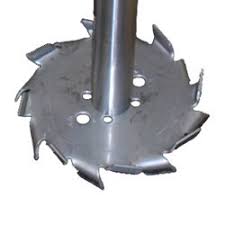
Another commonly used high-shear impeller is the sawtooth edges on the external periphery.
Hydrofoil impellers are also referred to as high-efficiency impellers since they are designed to maximize fluid flow and minimize shear rate..Read more
Helical mixers are capable of operating over a wide band of viscosity, ranging from low-viscosity liquid to highly viscous materials up to 4 million cP.. Read more
Change can mixers are configured vertically, with a vertical cylindrical vessel and a bottom dished end..Read more
Related Articles
High speed liquid dispensers are high shear liquid mixing equipment used for particle size reduction, dispersing pigments and making emulsions…Read more
Are you curious what are the list of chemicals for making liquid soap? If so, here is the list of chemicals for making hand wash: 1. Sodium triphosphate
widely known as STTP is one of the chemical you should know and use in making hand wash. it is used as cleanliness and thickness agent. It comes in white crystal powder in market and could be easily bought in online commerce shop.
2. Sodium hydroxide
This compound with symbol of NaOH used as in hand wash as cleaning and thickening agent. It is also know as lye in soap making terms. NaOH is a white, corrosive solid or comes in a powder form.
3. Potassium Hydroxide
This chemical is an alternative of using NaOH, with symbol of KOH this chemical also called as caustic potash. This chemical is odorless and comes in solid form in market. However, its price is higher than the Sodium hydroxide remembering the comparison of production per year that Sodium hydroxide is 100 times more produced than caustic potash. Other than used in hand wash, it is commonly also used in niche industry for its corrosive nature and its reactivity towards acids.
4. Sodium Lauryl Sulfate
This chemical with formula of C12H25NaO4S is used as foaming agent. Many hand wash such as shampoo and bath bomb using this chemical because it is inexpensive and very effective as foaming agent. It comes in solid form in the market.
5. Hydroxyethylcellulose
Commonly known as Natrosol Hydroxyethylcellulose is used as cleaning and thickness agent. It comes with powder forms and easily dissolve in cold or hot water to give crystal-clear solutions of varying viscosities. Other than being an agent in hand wash it is also used in adhesive, ceramics, building, porcelain and many more.
6. Sodium carbonate
Also known as soda ash, and soda crystal is a water-soluble sodium salt with Na2CO3 as its formula. Soda ash is used to be a cleaning agent in a hand wash. But not only as cleaning agent it also thickening the soap. This chemical is unique because it can be produced in many ways such as produce from mining in several areas in U.S. , extracted from plant species and seaweed, produced in Leblanc process, and in Solvay process.
7. Sulfonic acid
If you want your hand wash more natural then sulfonic acid which belongs to organosulfur compound is a right choice to add as cleaning and foaming agent. With general formula of R−S(=O)2−OH this chemical will neutralize the basic effect of caustic soda. It application range in acid-based-product such as detergents to flow batteries.
8. Glycerol
This simple polyol compound is used as moisturizer in cleaning product especially hand wash. This compound is very good to use as it is odorless, colorless and non-toxic chemical. This chemical is mostly produced by extracting it from plant and animal sources which the place of triglycerides occurence. This triglycerides is an ester where glycerol derived from. Human have used this chemical for many things at the moment it is still on research on it use of hydrogen gas production, and potential fuel additive as Glycerine acetate.
9. Tocopherols and tocotrienols (Vitamin E)
Most people know that vitamin E is a skin vitamin, it shield skin from damage and at the same time boost the immune system. Vitamin E that used in soap making could be in capsule form or in liquid form as in oil form.
10. Formalin
Due to this chemical harm most of hand wash do not longer include this chemical in their making process. This chemical has been replace with some better chemical such as Citric acid, Benzoid acid and Sodium benzonate.
The last but not least, to make a hand wash more interesting it is an obligation to add color and perfume in it. All the list of chemicals for making hand wash above including color and fragrance in soap making which usually comes in liquid form can be easily obtain in online commerce store.
We have Multiple product different plant such like Liquid hand wash manufacturing plant , liquid hand wash manufacturing plant , liquid soap production line with Many Varieties including Liquid hand soap making machine with antibacterial hand liquid soap, how to make clear liquid hand soap, manufacturing of liquid hand soap, liquid hand soap production, hand liquid soap compositions, liquid hand soap formulations, hand liquid soap formula, formulations, liquid hand soap ingredients, opaque liquid hand soap manufacturing process, antibacterial liquid hand soap formula, types of liquid hand soap, content of liquid hand soap,msds, specifications, properties of hand soaps, analyzes of hand liquid soap, benefits of liquid hand soaps, using of hand liquid soap, compounds of liquid soap, liquid hand soap formulation pdf, chemicals of liquid hand soap, formulated liquid hand soap, how to make basic liquid hand soap, economical liquid hand soap making, calculated liquid hand soap formula, soap making ingredients, what is natural liquid soap, making natural liquid soap, how to make natural liquid soap, what is herbal liquid hand soap, how to make herbal liquid soap, manufacturing process of liquid soap, natural liquid soap , liquid hand wash manufacturing plant dishwasher cleaning products, dishwashing liquid production, kitchen cleaner products, laundry products, powder laundry detergent, gel laundry detergents, liquid bleach products, powder bleach products formulations, surface cleaner products manufacturing process, multipurpose cleaner products, metal cleaners, bathroom cleaning products formulations, liquid soap formulations, antibacterial soaps, carpet shampoo, carpet cleaner detergent manufacturing processes.
Double sigma blade mixer widely used in high viscosity sealant, silicone rubber, neutral acid glass glue, chewing gum, bubble gum, aluminum paste, silicone, sealant, also used in batteries, inks, pigments, dyes, pharmaceuticals, Plastics, rubber, cosmetics and other industries
The Sigma blade mixer is consist of mixing chamber ,frame support ,hydraulic system ,electric control system, Discharge system And two Z shape blade in the chamber drove by the motor and the two blade rotating with different speed ,but can be control by the inverter .The sigma blade mixer caused by a pair of mutually cooperating and rotating Z blades to produce a strong shearing action so that the semi-dry state or the rubbery viscous plastic material enables the material to react quickly to obtain a uniform mixing After finished mixing ,The materials will follow the screw extruder at bottom of chamber. Screw out materials to another step
Abster Equipment company provide you with trusted quality and service based on our 20 years experience and strong technical teams . For any queries ,please check our website to select right models .
Salient Features
Available in Stainless Steel 316, Stainless Steel 304 and Mild Steel materials.
Stainless Steel polish to matt & mirror finish as per customer’s requirements.
Mild Steel finish with one coat of red oxide and two coats of epoxy paint.
Discharge option of hand wheel operated (manual) or hydraulic operated (automatic) offered.
Jacket for heating or cooling application can be offered.
Mineral wool insulation with cladding on jacket.
Tangential designed ‘Z’ blades offered for uniform mixing.
PTFE made shaft sealing provided for food grade compatibility.
Minimum gap between trough inner shell & blades remove possibility of sticking product.
On demand Spray system, vacuum system
Optional Features/Accessories
Liquid Spray System
Vacuum System
Blades Cooling Arrangement
Screw System
Automatic Valve Discharge System
Technical Specification
Model
Capacity – Litres
Motor (H.P.)
Working Capacity
Gross Capacity
General
Heavy Duty
ASM – 50
50
80
5 H.P.
7.5 H.P.
ASM – 75
75
110
7.5 H.P.
10 H.P.
ASM – 100
100
150
10 H.P.
15 H.P.
ASM – 150
150
200
15 H.P.
20 H.P.
ASM – 200
200
300
20 H.P.
25 H.P.
ASM – 400
400
550
30 H.P.
40 H.P.
ASM – 500
500
750
40 H.P.
50 H.P.
ASM – 750
750
1150
50 H.P.
60 H.P.
ASM – 1000
1000
1500
60 H.P.
70 H.P.
ASM – 1500
1500
2100
75 H.P.
80 H.P.
ASM – 2000
2000
2600
80 H.P.
90 H.P.
ASM – 3000
3000
3800
100 H.P.
120 H.P.
* Power voltage can be adjusted as per customer’s domestic power voltage requirements.
* Rights of technical improvements & modification reserved.
* Illustrations & dimensions are shown for information purpose only.
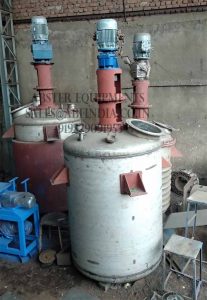
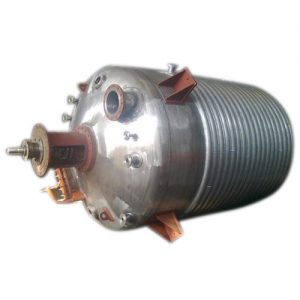
The stainless steel reactor is composed of the kettle body, the cauldron cover, the jacket, the agitator, the transmission device, the shaft sealing device and the support, etc. When the height of the mixing device is large, the multi layer impeller can be used, and it can also be selected according to the requirements of the user. The clamp sleeve is set outside the wall of the kettle, or the heat exchange surface is set in the device, and the heat transfer can also be carried out through the external circulation. Support seat has support type or ear type support. Gear reducer should be used more than 160 rotating speed. The number, specification or other requirements of opening can be designed and made according to the requirements of the user.
1. usually in normal pressure or low pressure conditions of packing seal, the general use of pressure less than 2 kilograms.
2. in general medium pressure or vacuum condition, mechanical seal will be adopted, and the general pressure is negative pressure or 4 kilograms.
3. under high pressure or high volatile medium, the magnetic seal will be used, the general pressure is more than 14 kilograms. In addition to the use of water cooling for magnetic seals, other sealing forms will increase the cooling water jacket over more than 120 degrees.
Stainless steel reactor is widely used in petroleum, chemical, rubber, pesticide, dye, medicine, food, pressure vessel to complete vulcanization, nitration, hydrogenation, alkylation, polymerization, condensation process, such as reactor, reaction pot, pot, decomposition polymerization kettle; material generally have carbon steel, stainless steel, zirconium nickel (Hastelloy, Monel, Kang Ni) alloy and other composite materials.
Classification of reactor
1, according to the heating / cooling way, it can be divided into electric heating, hot water heating, heat conducting oil circulation heating, far-infrared heating, outer (inner) coil heating, jacket cooling and coil cooling inside the kettle. The selection of the heating mode is mainly related to the heating / cooling temperature required by the chemical reaction and the size of the heat required.
2, according to the body material can be divided into stainless steel autoclave, stainless steel and stainless steel reactor glass lined stainless steel autoclave (enamel stainless steel reactor), steel lined stainless steel reactor.
Use attention of stainless steel reactor
Stainless steel reactor is a kind of reaction equipment, must pay attention when operating, otherwise it will cause damage for many reasons, cause production to stop. The operation of the stainless steel reactor should be paid attention to in many aspects.
First of all, we must strictly follow the rules and regulations to operate the stainless steel reactor.
Secondly, before operation, should carefully check whether the abnormal, in normal operation, not to open the lid and touch the wiring board of the terminal, so as to avoid the electric shock; non pressure operation; nitrogen pressure test process, careful observation of the pressure gauge, to test pressure, close the nitrogen valve switch immediately; the heating speed is not too fast, the pressure should be slow, especially the stirring speed, allowing only slow speed.
Finally, when the body of the kettle is heated to a higher temperature, do not contact the body of the kettle to avoid scalding; it should be cooled first after the experiment. Not fast cold, in order to prevent the damage caused by large temperature difference pressure. At the same time, the power supply should be pulled out in time.
At the same time, after the use of the stainless steel reactor, we should pay attention to the maintenance, so that the autoclave can have better service life.
Installation and operation specification of stainless steel reactor
1. The autoclave should be placed indoors. When it is equipped with a number of autoclave, it should be placed separately. Every operating room should have direct access to the outdoors or passages, and the equipment should be kept in good air.
2, installed on the kettle cover, should prevent the kettle cover sealing surface are mutually bump. When the cauldron is placed in a fixed position on the body of the kettle carefully, when the main nut is tightened, it must be gradually tightened on the diagonal and symmetrical parts. Force to be uniform, not allow the cauldron to tilt to one side, in order to achieve a good sealing effect.
3, positive and negative nut connection, only the pros and cons of nut, two circular sealing surface may be relatively rotated, all nut connector assembly, should be coated with lubricating oil.
4, needle type valve line seal, only gently rotate the valve needle, press tight cover, can achieve good sealing effect.
5. Use the revolving body on the autoclave to check the flexibility of the operation.
6, the controller should be put on the operation platform. The working environment temperature is 10-40 degrees, the relative humidity is less than 85%, and the surrounding medium does not contain conductive dust and corrosive gas.
7, check whether the movable parts and fixed contacts on the panel and rear panel are normal, pull the upper cover, check whether the contact of the connector is loose or not, and whether there is any damage or rust caused by poor transportation and storage.
8, the controller should be reliably grounded.
9. Connect all the wires, including the power line, the electric furnace line between the controller and the kettle, the electric motor line and the temperature sensor and the tachometer wire.
10, the “power supply” air switch on the panel should be closed, and the digital display should be displayed.
11, set various parameters on the digital display board (such as upper limit alarm temperature, working temperature, etc.), then press the “heating” switch to connect the electric stove, and at the same time, “heating” the indicator light on the switch. Adjusting the “pressure regulating” knob can adjust the heating power of the electric furnace.
12, press the “mixing” switch, stirring motor power, and “mixing” light switch on the light, the “slow speed” knob, the motor rotates slowly, observe whether the motor is transferred, without error, stop hanging belt, restart.
13. After the operation is finished, it can be cooled naturally, cooled by water or placed in the air over the bracket. Until the temperature drop, re released with gas pressure vessel, the pressure to atmospheric pressure (the pressure gauge shows zero, then the main nut) symmetric even loosened, and then remove the main nut, then carefully remove the kettle cover is arranged on a bracket.
14. After each operation, the remnants of the cauldron and the cauldron should be removed. The main seal should be cleaned regularly and kept clean and not allowed to be wiped with hard or surface rough objects.
Examination of stainless steel reactor
1, listen to the sound speed reducer and a motor drive is normal, temperature reducer, motor, touch base bearing parts: general temperature are less than 40, the highest temperature are less than 60 (can hand over 8 seconds is normal in).
2, check the oil leakage of the reducer frequently, whether the shaft seal is intact, see whether the oil pump is oiling, check the change of the oil level and the oil quality in the deceleration box, whether there is oil in the sealing box of the kettle, and add or update the corresponding oil if necessary.
3, check the safety valve, explosion-proof membrane, pressure gauge, thermometer and other safety devices are sensitive and easy to use, safety valve, pressure gauge is checked, and the seal intact, the pressure gauge line be drawn correctly, whether the internal leakage explosion-proof membrane;
4, often listen to the stainless steel reactor, there is no abnormal vibration and sound.
5, keep the mixing shaft clean and see the light, to the axis of the round nut, check whether the rotation direction of the mixing shaft is rotated in clockwise direction, and the reversal is strictly prohibited.
6, check the agitator, snake tube and other accessories in the pot regularly, fasten the loose bolt, and replace the related parts when necessary.
7, check the stainless steel reactor all the import and export valve is well available, if there is a problem must be handled in time;
8, check the flange of the stainless steel reactor and the seat and so on without the bolt loosening, and the safety cover is good and reliable.
9, check whether the stainless steel reactor body has cracks, deformation, bulging, perforation, corrosion, leakage and so on.
10. To make the equipment hygienic well, to ensure the non oil pollution and the equipment to see the equipment.
Maintain of stainless steel reactor
(1): stainless steel reactor device should be installed in accordance with the requirements of the high pressure explosion-proof operation room, in the equipment of multiple stainless steel reactor, should be placed separately, each of the two separated explosion-proof wall between the application of safety, each operation room shall be communicated to the outside channel and the outlet, when there is explosive medium should guarantee the equipment good ventilation.
(2) if the equipment is damaged after opening the package, the equipment is installed according to the structure of the equipment, and the equipment is checked in accordance with the packing list. If the heating mode is heat conduction oil heating, please use the corresponding heat conduction oil according to the usage temperature (notice: the heat conducting oil is not allowed to contain moisture). When adding, the upper part of the jacket will be opened and the oil level opening of the upper part of the jacket will be opened. Refueling through the gas port, to the oil level of the mouth to flow oil, then the oil level mouth screwed to death, do not screw the gas mouth to death in order to avoid pressure.
(3) the installation and seal of the kettle body and the lid. The kettle body and the lid of the kettle cover with gaskets or conical surfaces to contact with the arc surface, so that they can compress each other by tightening the main nut to achieve a good sealing effect. When the nut is tightened, it must be diagonally symmetrical and gradually tighten and tighten several times. It does not allow the cauldron to tilt to one side so as to achieve a good sealing effect. When the main nut is tightened, it shall not exceed the specified tightening torque 40~120N.M range to prevent the dense cover from crushing or overloading. The sealing surface should be specially cherished. Wipe the clean up and down cover with soft paper or cloth before installation. Pay special attention not to touch the scar on the sealing surface of the kettle body and the lid. If the operation is reasonable, more than ten thousand times can be used. After the sealing surface is damaged, the reprocessing and repairing party should be able to achieve good sealing performance. When the cauldron is dismantled, the cauldron should be lifted slowly up and down to prevent the collision between the seal surface of the cauldron and the cauldron. If the seal is sealed with gaskets (tetrafluoroethylene, aluminum pad, copper pad, asbestos pad, etc.), a good sealing effect can be achieved by tightening the main nut.
(4) valve, pressure gauge, safety valve installation and by tightening the nut, namely, to achieve the effect of sealing, the sealing surface of the arc connecting two no relative rotation of all screw connection parts in the assembly, shall apply lubricant or oil mixed with graphite, so as not to kill. The use of valves: needle valve line seal, just need to lightly rotate the valve needle, tighten the sealing surface, that is, it can achieve good sealing performance, prohibit overexertion, so as not to damage the sealing cover.
(5) equipment after installation of nitrogen into a certain amount of pressure for 30 minutes, check for leaks, if there is leakage please use soap for pipeline, pipe leak out, off gas tight, again adding nitrogen pressure test, to ensure no leakage after the start of work.
(6) when cooling, cooling water in the cooling coil available, prohibit cooling to prevent excessive thermal stress caused by the cooling coil, the kettle body crack. When the temperature of the kettle is over 100 degrees C, the water jacket between the magnetic stirrer and the cauldron should be cooled by cooling water to ensure that the water temperature is less than 35 degrees C, so as to avoid the magnetic steel degaussing.
(7) safety device: the arch arch metal rupture disc is made of stainless steel and manufactured according to the national standard GB567-89 “arched metal blasting technology condition”. It has been well tested at factory and can not be adjusted at will. If has been blasting, for renewal, replacement period is determined by the use of units according to the actual situation of the unit, for more than a nominal bursting pressure of the bursting disk without blasting should be replaced, often use the best not more than 80% of the lower limit pressure of blasting, blasting replacement should pay attention to the convex piece.
(8) after the reaction, the first cooling the gas in the reactor through a pipeline leak to the outside, so that the pressure inside the autoclave to atmospheric pressure, no disassembly, the main bolt and nut symmetrically loosen unloaded, and then carefully remove the kettle cover (or rising from the kettle cover is arranged on a bracket) that special attention should be paid to protect the sealing surface cover unloading process.
(9) in tank cleaning: each operation is completed with a cleaning solution (using the cleaning liquid should pay attention to avoid the corrosion of the main material) to remove the kettle body and the sealing surface residue, often should clean and keep clean, do not allow for cleaning hard substances or articles with rough surface
The Kneader Extruder combines the efficiency of a double arm mixer with the convenience of extrusion screws for improved mixing and discharge of heavy viscous materials.
The Kneader Extruder includes a set of contra-rotating kneading blades and one or more extrusion screws. The blades are mounted on a horizontal axis in a W-shaped trough. Below the blades in a separate cavity are the extrusion screws. During the mixing cycle the blades rotate towards each other while the mixing screws rotate in a reverse direction, constantly feeding new materials into the mixing blades. After the mixing/kneading cycle is complete, the screws are reversed and they extrude and transport the mixed materials out of the mix zone.
Standard Features
Available in all grades of Carbon Steel and Stainless Steel.
Optional wear resistant liner plates provided for abrasive products.
Designed for atmospheric operation.
Stainless steel surfaces are polished to desired standards. All exterior non-stainless surfaces are painted with enamel paint.
Squirrel Cage, Three Phase Induction Motors suitable for 415 Volts, 50 Hz.
The two mixing blades rotate towards each other at differential speeds…Read more
Related Articles
Kneader Mixer Extruder Operation – The kneader mixer extruder consists set of contra-rotating kneading blades, such as the sigma blade or the masticator blade…Read more for Kneader Mixer Extruder
Fixing and dispersing have become those momentous chores that take place in almost every single firm. With the times changing now, the old trends of carrying these operations have withered away, and novel ones have sneaked in. With the contemporary pieces, it is here directed to Twin Shaft Disperser Machine which is one of the versatile and highly-efficient mixing and dispersing machines utilized in a wide array of industries and applications across the world. Designed with perfection by Twin Shaft Disperser Manufacturers for the purpose of premixing, mixing, and dispersing, this device is just befitting for reducing the size of particles by breaking up solid materials that are required to be sheared mixed seamlessly with the base fluid. When there comes the time to mix two or more substances with dissimilar attributes together homogeneously, a Twin Shaft Disperser plays a vital role in doing the same with ample of ease and involving least of manual efforts
This exceptional contrivance works brilliantly in the process of paint production with several other areas like pharmaceutical, cosmetic, ink, paint, construction, resin, chemical, food, and beverage industries. The centrally located shaft in Twin Shaft Disperser carries out the procedure of dispersion and the low-speed shaft is accountable for the mixing mechanism.
Comprising of dual shafts, the dispersion blade and mixing blade, this gimmick is the crest of dispersers due to its phenomenal quality of mixing and dispersing the substances with no hassles. Such smooth performance of Twin Shaft Disperser has brought this appliance in high demand over the time and space.
If you’re looking forward to magnifying the productions of your industry with putting least of efforts, money, and time, then Twin Shaft Disperser manufacturer is a perfect go-to-option. Buy it today itself from ace Twin Shaft Disperser Suppliers In India.
Sigma Mixer Machine Manufacturers And Suppliers In India
Sigma Mixer is a customarily used mixer, capaciously in the industrial sector for mixing high-viscosity materials which are difficult to be done manually. This efficient device is high in demand as it has extremely helped the industries in the recent years, giving wonderful service.
A Sigma Mixer Machine is ideally suited for mixing, shearing, folding, stretching, dividing, and kneading sticky highly viscous mass and dough-like materials, such as adhesives, polymers, chewing gum, chemicals, carbon pastes, ceramics, plastics, pharmaceuticals, metal powders, inks and pigment products, and numerous more materials like them.
Also known as a Kneader Mixer Machine, this heavy-duty mechanical apparatus comprises of two sigma blades fitted horizontally in a W-Shaped mixing vessel, which homogenize the material by rotating against each other and moving the materials thoroughly. As a result, what we obtain from this Sigma Kneader Mixer is a finely blended mixture with even consistency.
The very conventionally used Kneader Mixer for Paint, Solid propellants, and explosives with several other types are designed and manufactured by highly skilled expert professionals using latest set of skills and technology to make the device optimum for rendering
outstanding results.
Sigma Mixer Machine Description
Today,there can be found a large variety of Sigma Mixer for Sale in innumerable sizes suitable for all the distinct applications at a completely affordable range of price. This productive range of Kneader Mixer for Sale offered are proficient to be used for wet granulation, dry granulation, powder mixing as well as crude fiber mixing operations.
Moreover, the size and specifications of Sigma Mixer can be smoothly adjusted and designed as per the customer’s needs and
requirements. If one wants to buy the durable and reliable mixer, then buying it from the honored manufacturers and suppliers in India would be the perfect choice to make, as they overlook to your demands even after the product sold, giving you steady service whenever needed. A Kneader Mixer is a bliss to all the manufacturing industries and is one of the superior mixing/kneading machine ever designed till date.